
Ginza Motoji
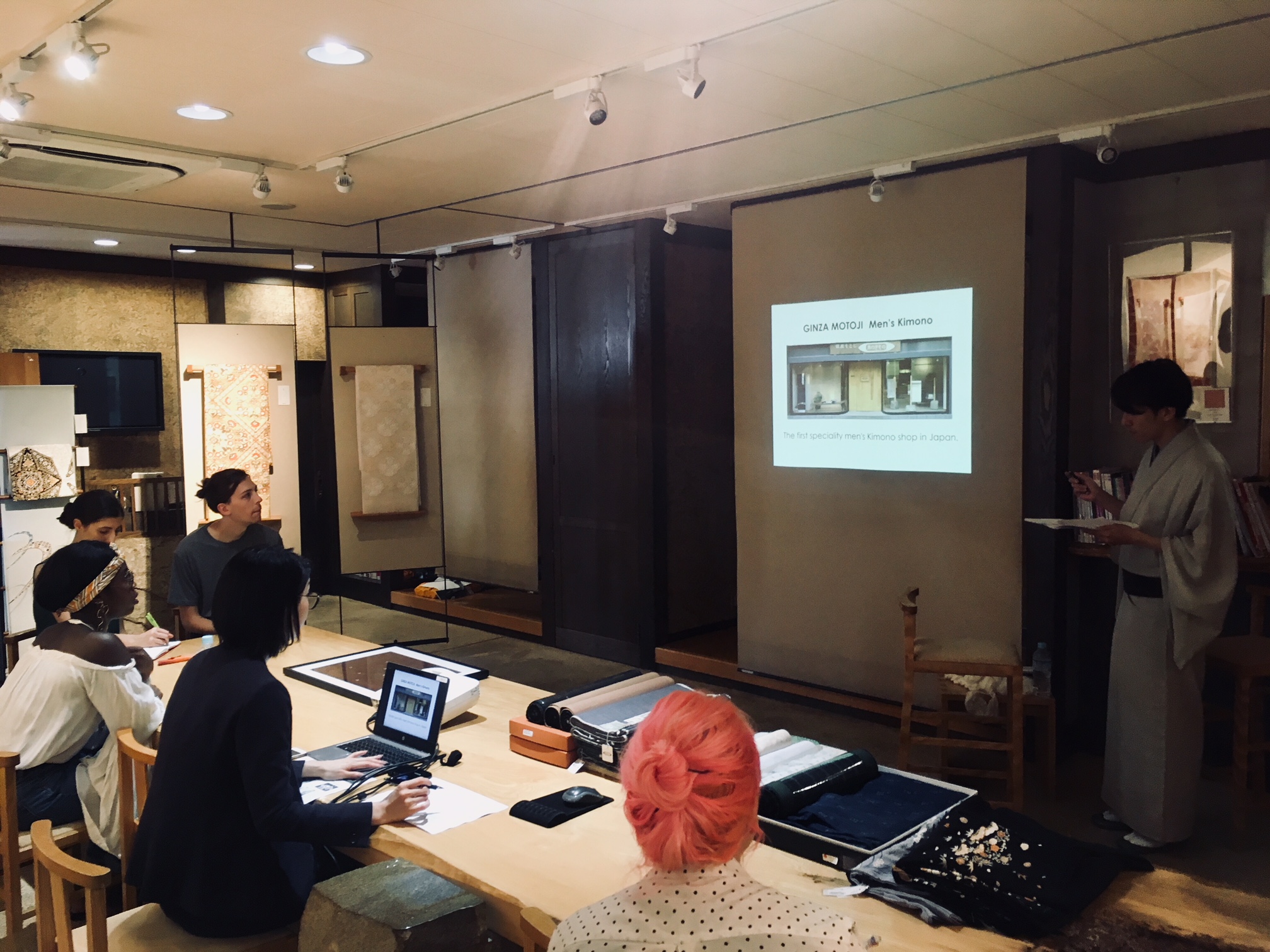
Every year, we visit the bespoke kimono store Motoji in Ginza as a part of the class Japanese Art & Design. Motoji is famous for making kimono out of silk farmed in Japan only, working together with craftsmen and tailors based in and around the city of Tokyo and all over Japan. They emphasize the idea of transparency in their kimono making, through listing each participant in the research, weaving, and dyeing process, to bring the craftsmen closer to the customers.
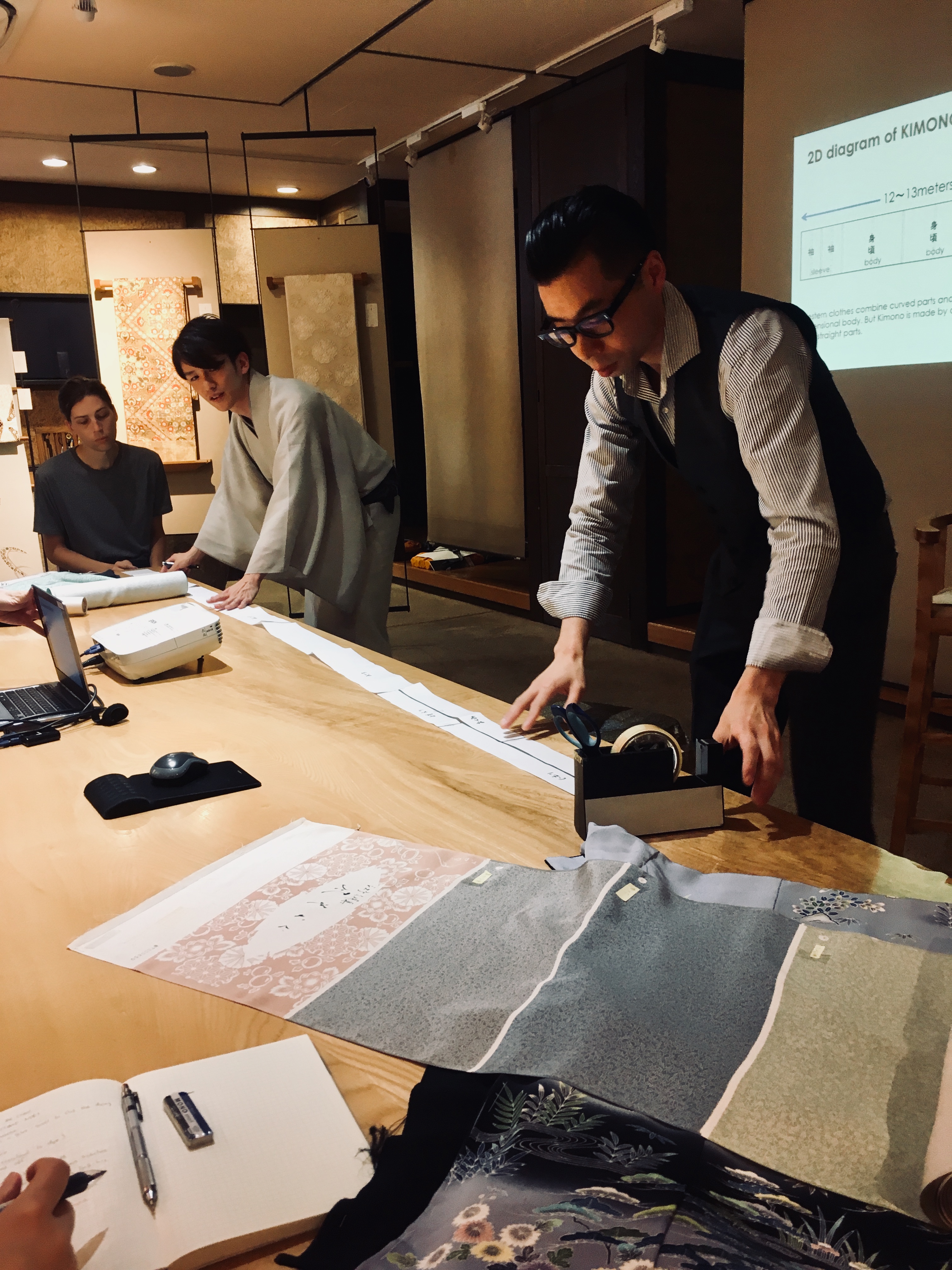
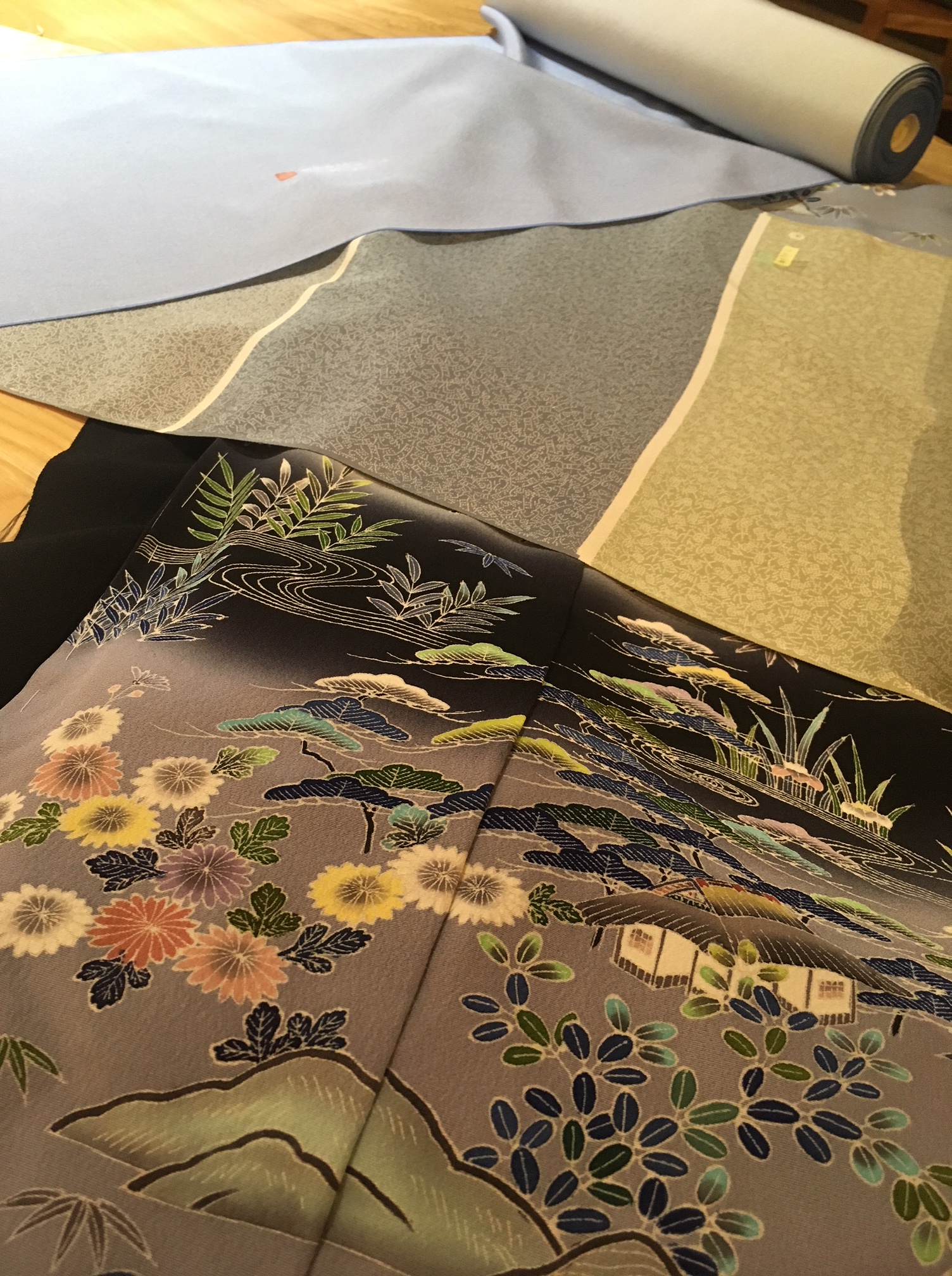
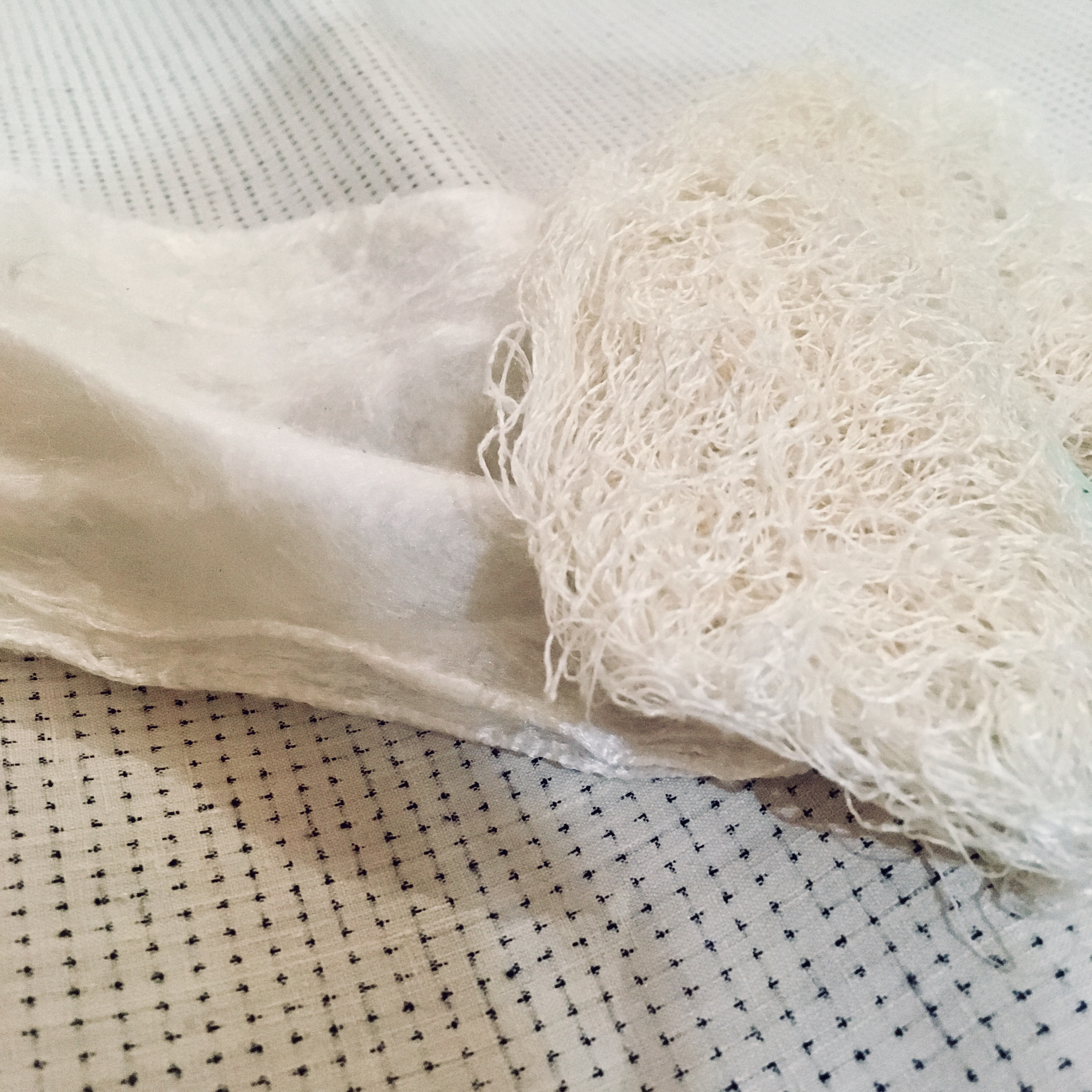
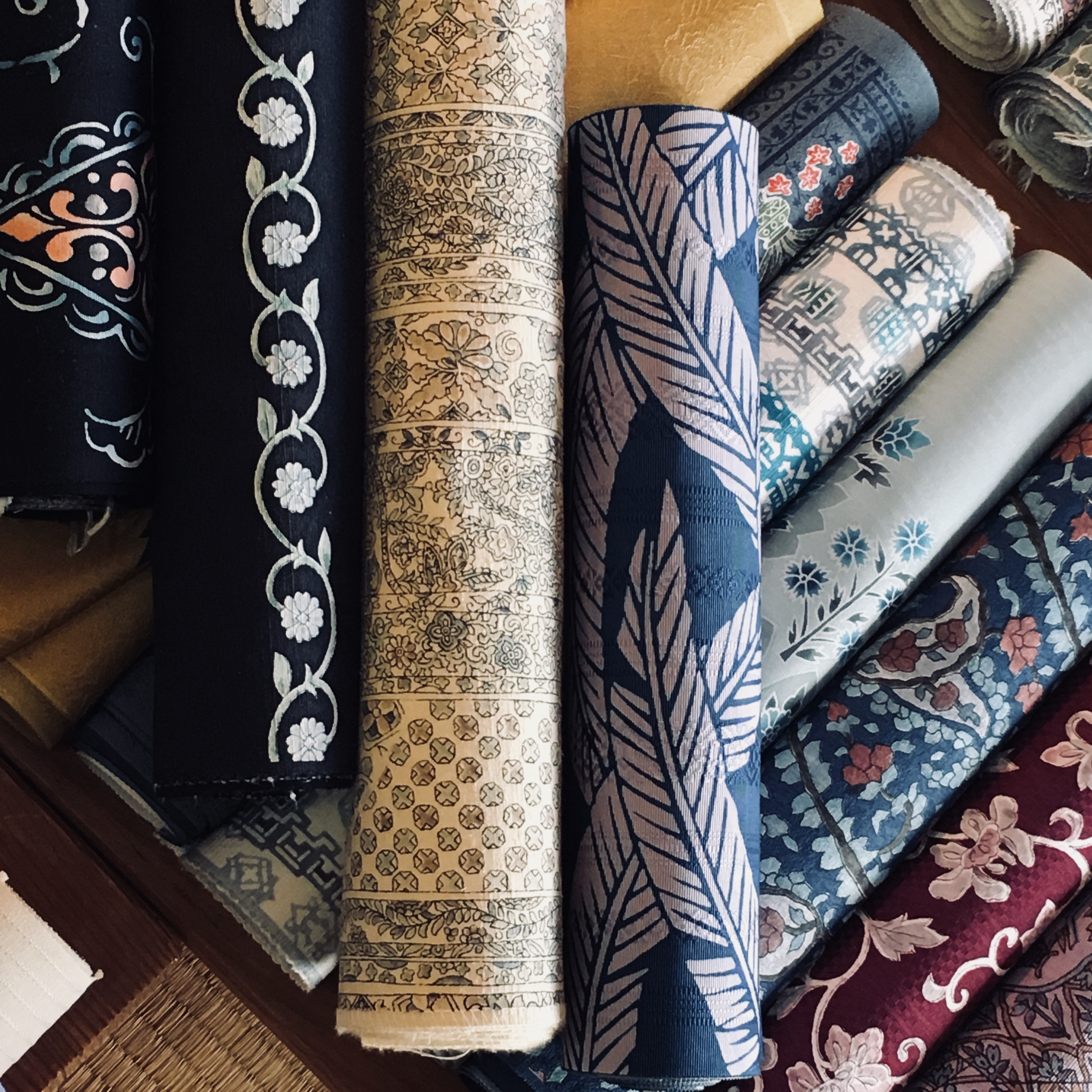
During our visits, Keita Motoji, the son of the founder of the store, gives a small lecture on the origins of the store, their goals and their image. This is followed by an introduction to kimono making methods practiced in Japan (both dyeing and weaving methods). While explaining the several techniques, Keita shows the students examples of the corresponding fabrics that they sold or held at the store. After the lecture, students visit Motoji’s Oshima Tsumugi weave specialty store to see a live example of how Oshima Tsumugi is woven.
In 2018 we visited the store for the first time. Due to the pandemic, we organised virtual visits to the store for the students in 2020 and 2021, and since 2022, we have been able to organise real-life visits to the store again.


Bunka fashion research lab for textiles
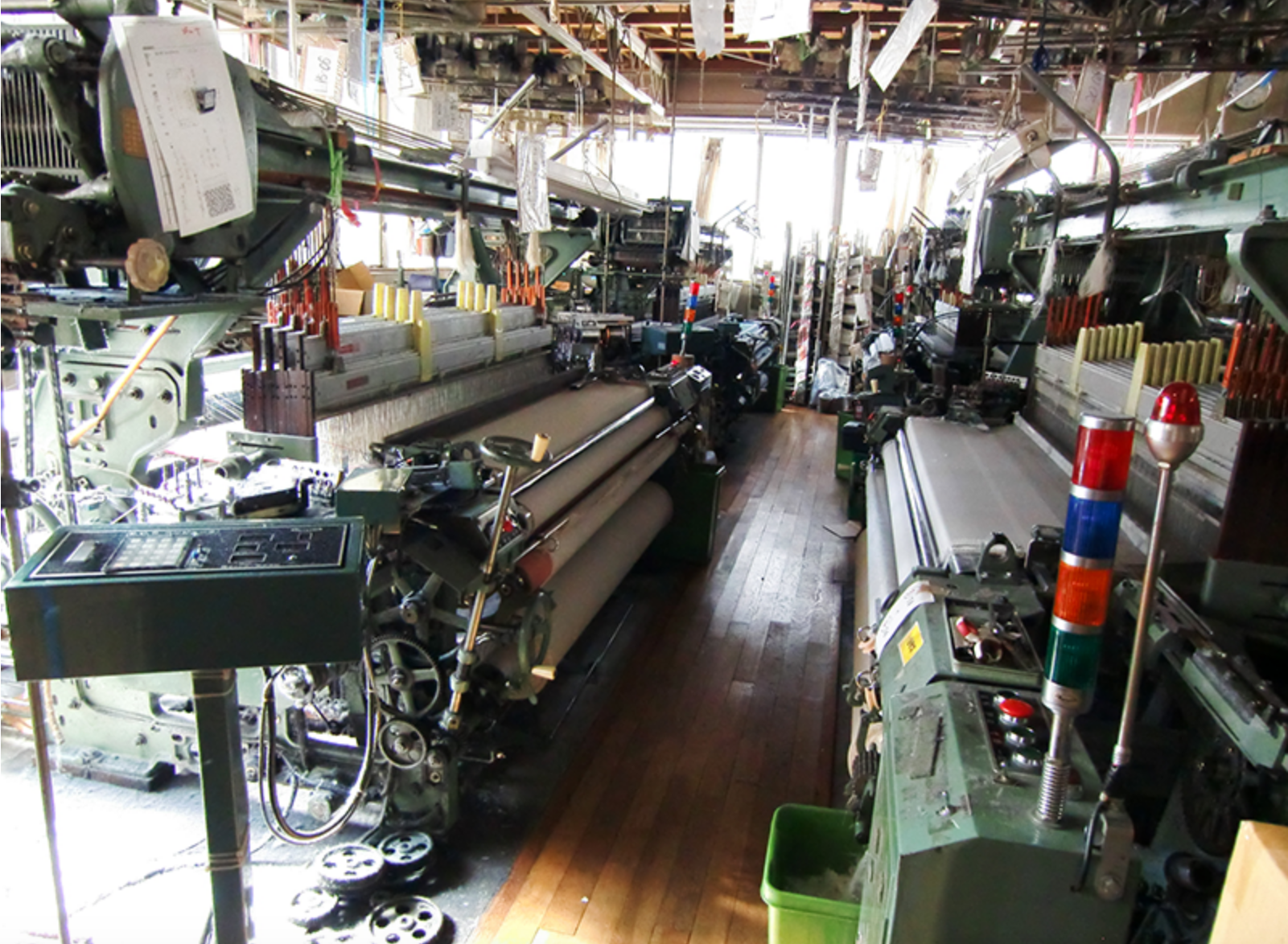
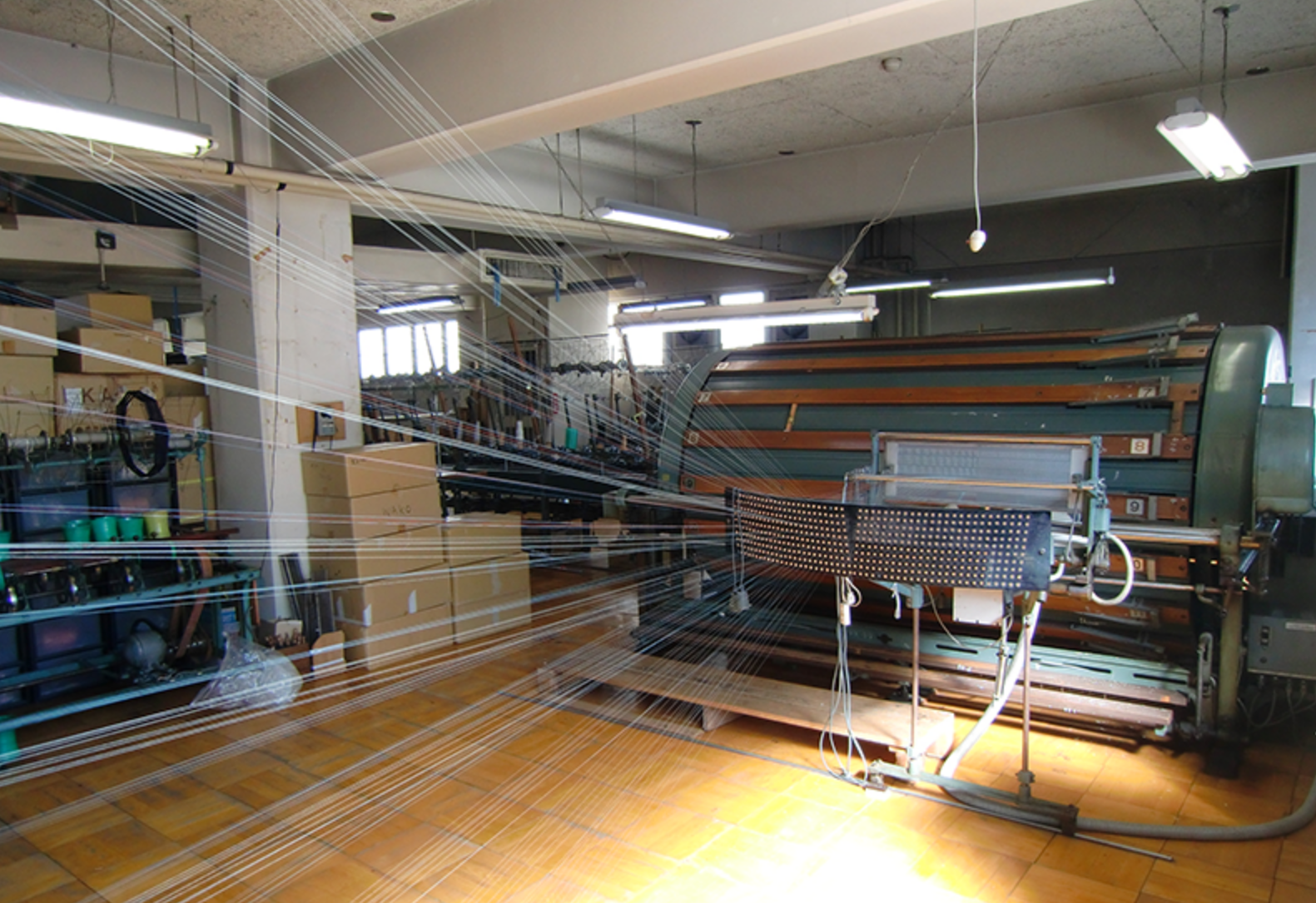
Every year, we visit the Bunka fashion textile resource center with our first years students to have a look at how the center conducts textile research. This research facility aims to preserve traditional methods of weaving and to initiate new generations in these methods. On the other hand, they aim to pursue the development of new weaving methods. Furthermore, the facility keeps an archive of multiple historical and contemporary textile samples, and has also conducted multiple collaborations with graduate designers from BFGU. The facility’s goal is to create a new world(view) through the development of textiles. In order to conduct this research, the facility has assembled a set of automated weaving machines, and during our visit, we were guided around the facility to observe these machines in action.
We have been visiting the resource center yearly since 2018, and some of our GFC students were even able to develop textile collaborations that they integrated in their final collections. We hope that we will be able to develop many more collaborations in the future!
Teijin and Nuno, together with ENSAD students
On October 29th, 2018, ten students from ENSAD Paris visited our GFC course. The day was filled with activities for both the ENSAD and GFC students. In the morning, we organised a presentation session in which the first year GFC students and the visitors from ENSAD presented their own research, and explained what they were working on at the moment. After the presentations, prof. Isabelle Rodier, who accompanied the ENSAD students, gave a short presentation on the textile design course in ENSAD and presented some graduate work.
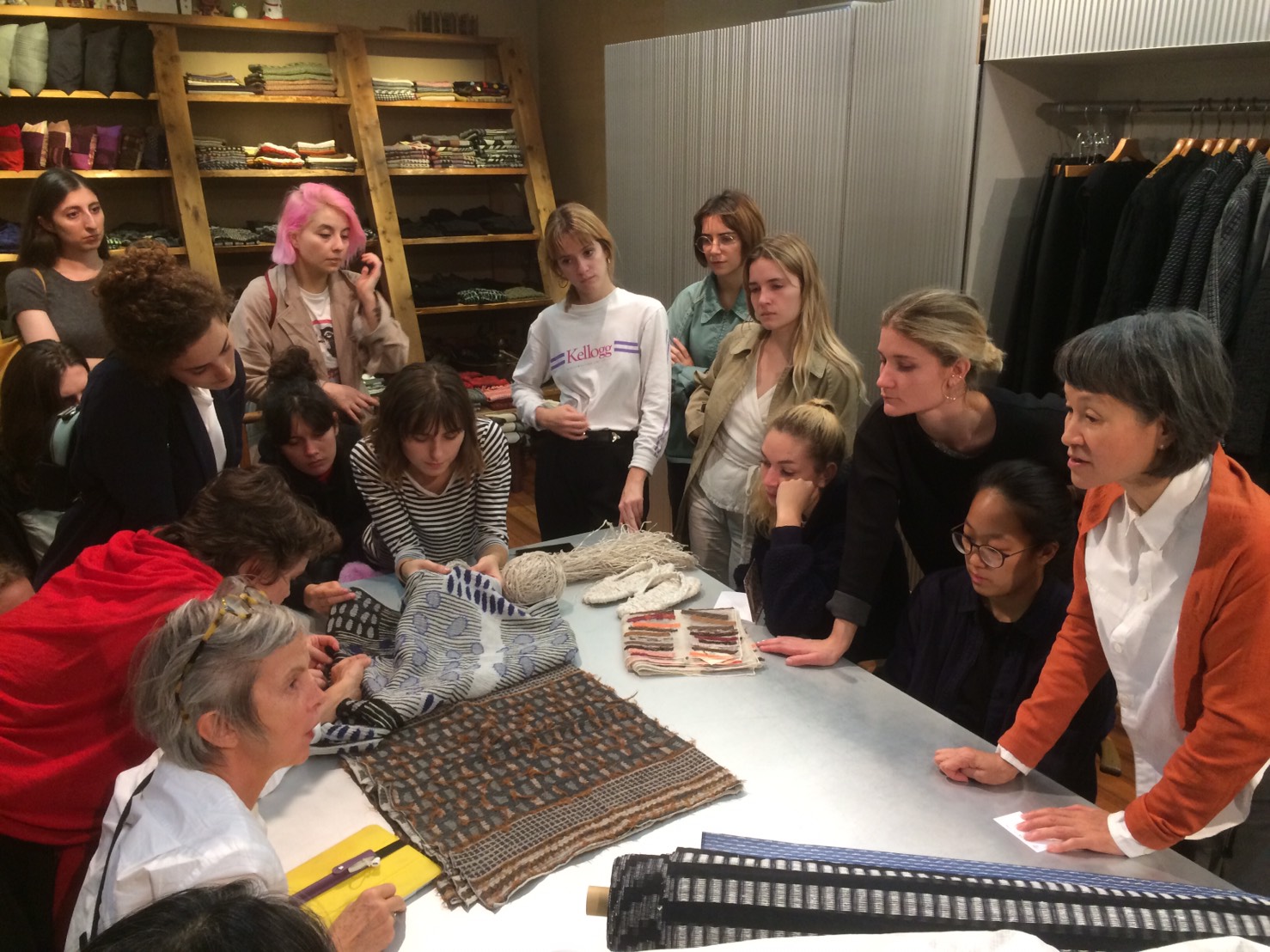
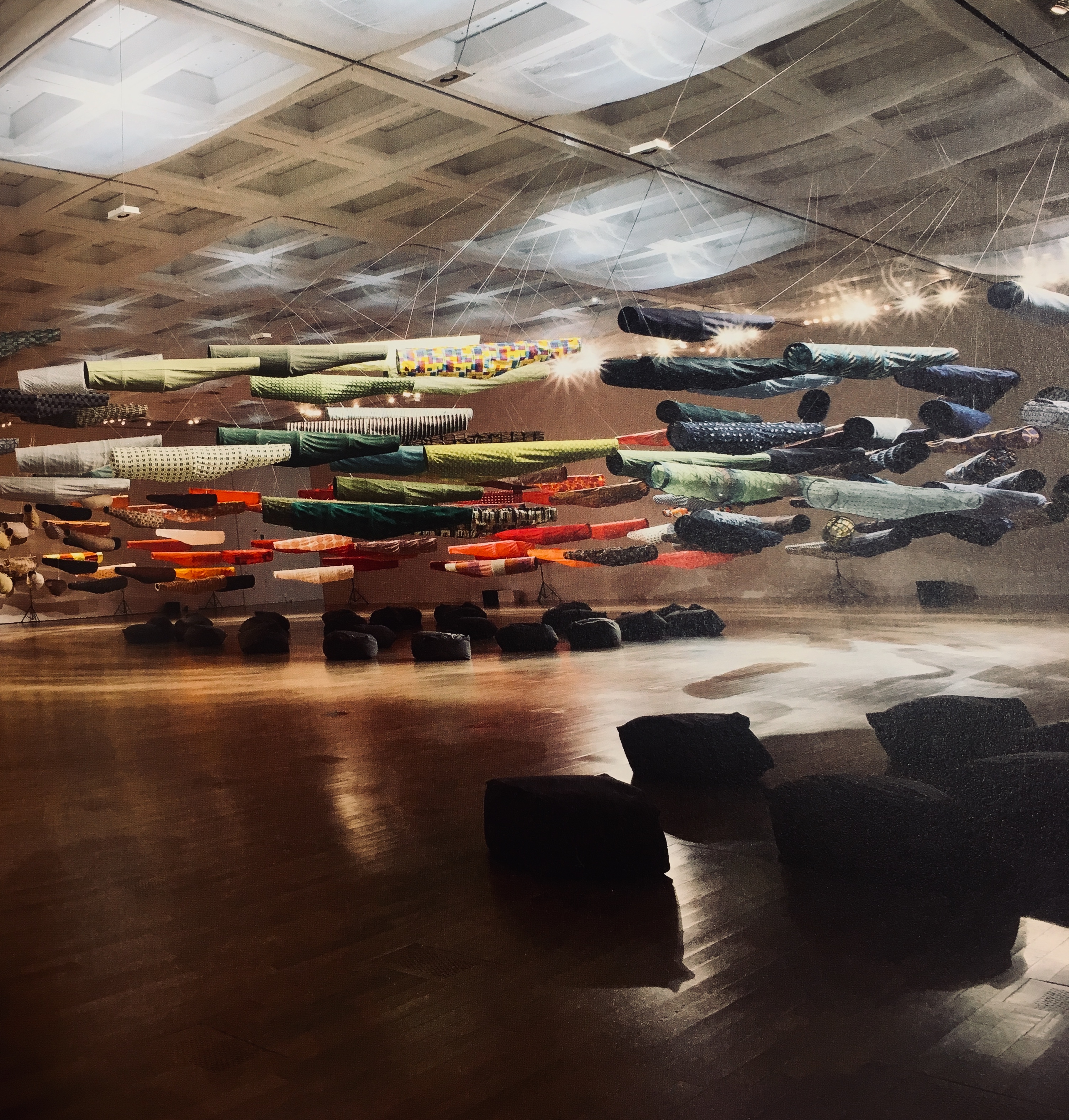
After the presentation session, we visited the showroom of Japan’s leading fiber specialist company Teijin, in which we were introduced to their major activities in fiber development. After our visit to Teijin, we visited the studio of Nuno, a company working on the development of creative textiles in Japan. Nuno has recently been involved in the exhibition Koinobori Now held at the National Arts Center Tokyo in April 2018. Prof. Reiko Sudo, a leading textile designer and key person behind the group presented to us the concept of Nuno and some recent projects that were taken on by the group.

Knitting workshop
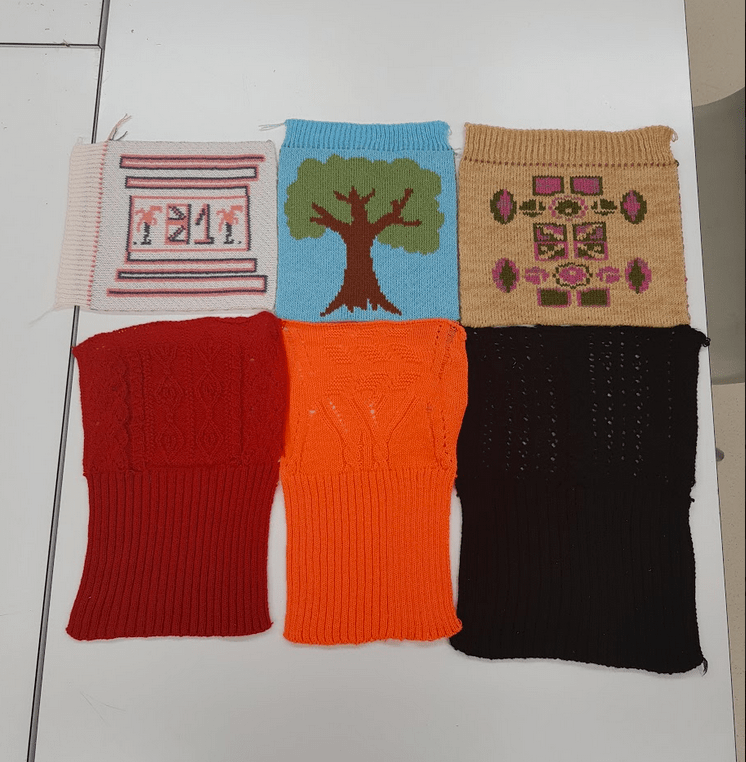
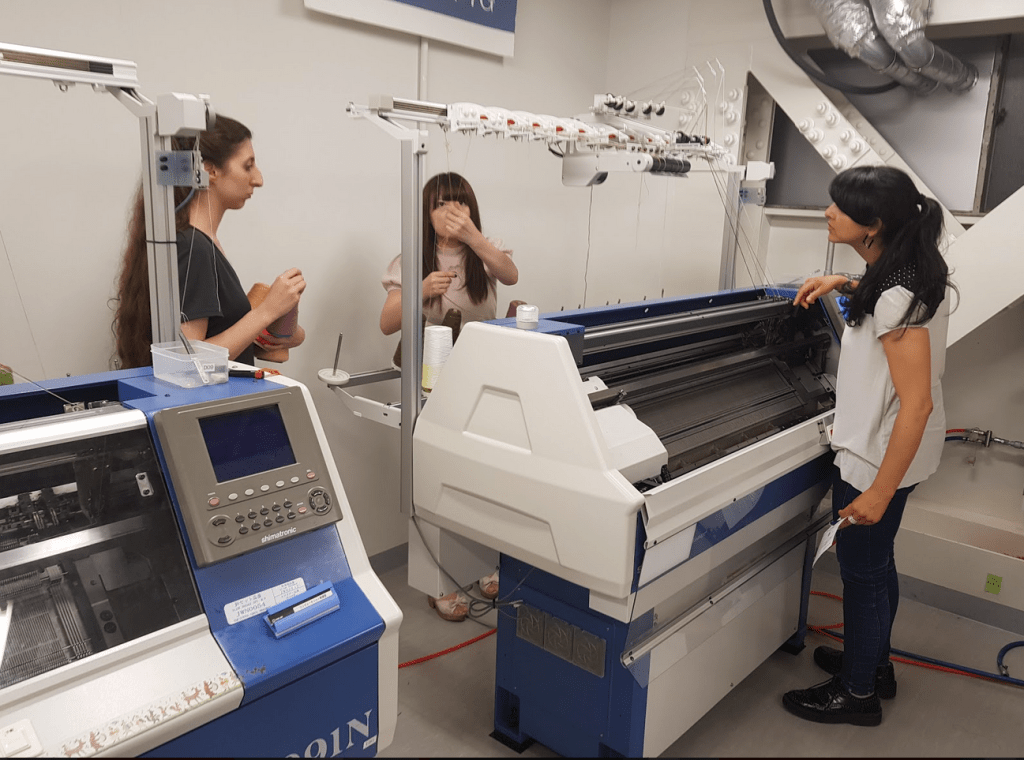
On May 18, 2018 we organized a small knitting workshop in collaboration with the fashion college. Students from the first and second year were invited to develop a few knit fabric samples making use of the knitting machines in the university campus, under the guidance of the course assistant Claudia Arana, who is an expert on knitting. The students were invited to work in two different knitting techniques, and the results can be seen in the picture below.
Noguchi Indigo atelier
On July 19, 2017, we visited the Indigo atelier of the Noguchi family, a 7th generation family of Indigo dyers. The atelier has a longstanding tradition: the vats of indigo used at the atelier were put in just after the big earthquake in 1923, and suffered no damage in March 2011. The Noguchi family has been living in the house, dyeing fabric for almost 180 years. They used to have their stencils done by someone else, but a couple generations back the business started shrinking and they started doing it themselves.
We visited the atelier with the first year students, who were asked to bring some of their own fabric or threads that they wanted to have dyed. The students were free to use whatever technique they wanted in dyeing their fabric, this was done through using several shibori methods.
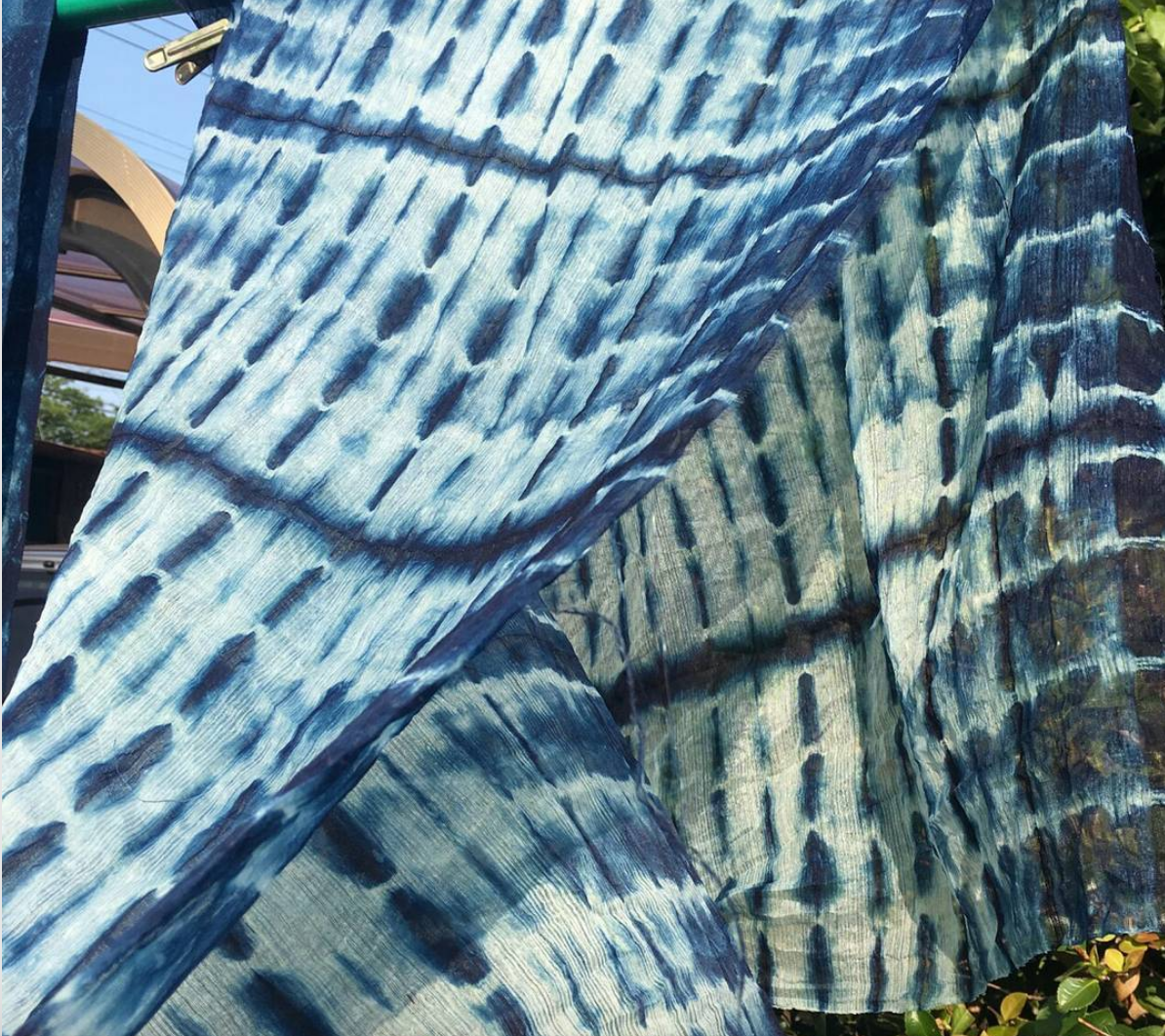

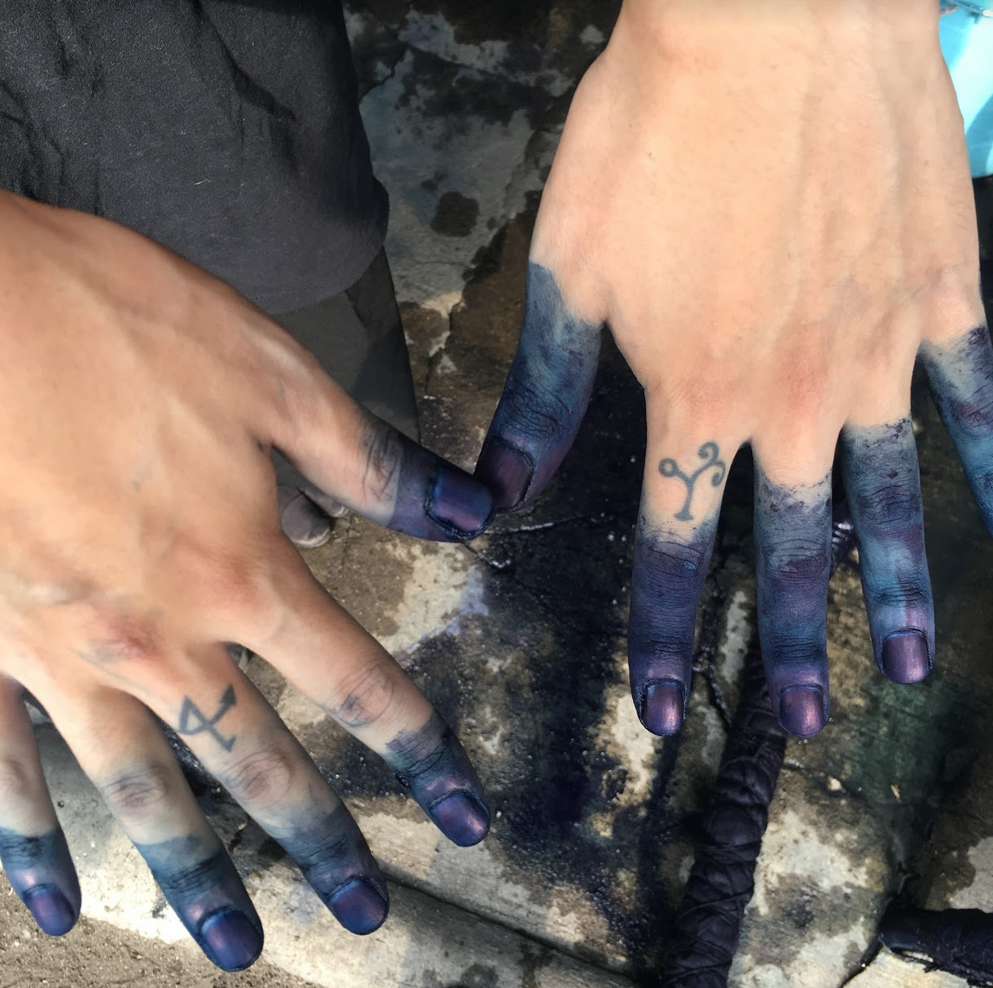
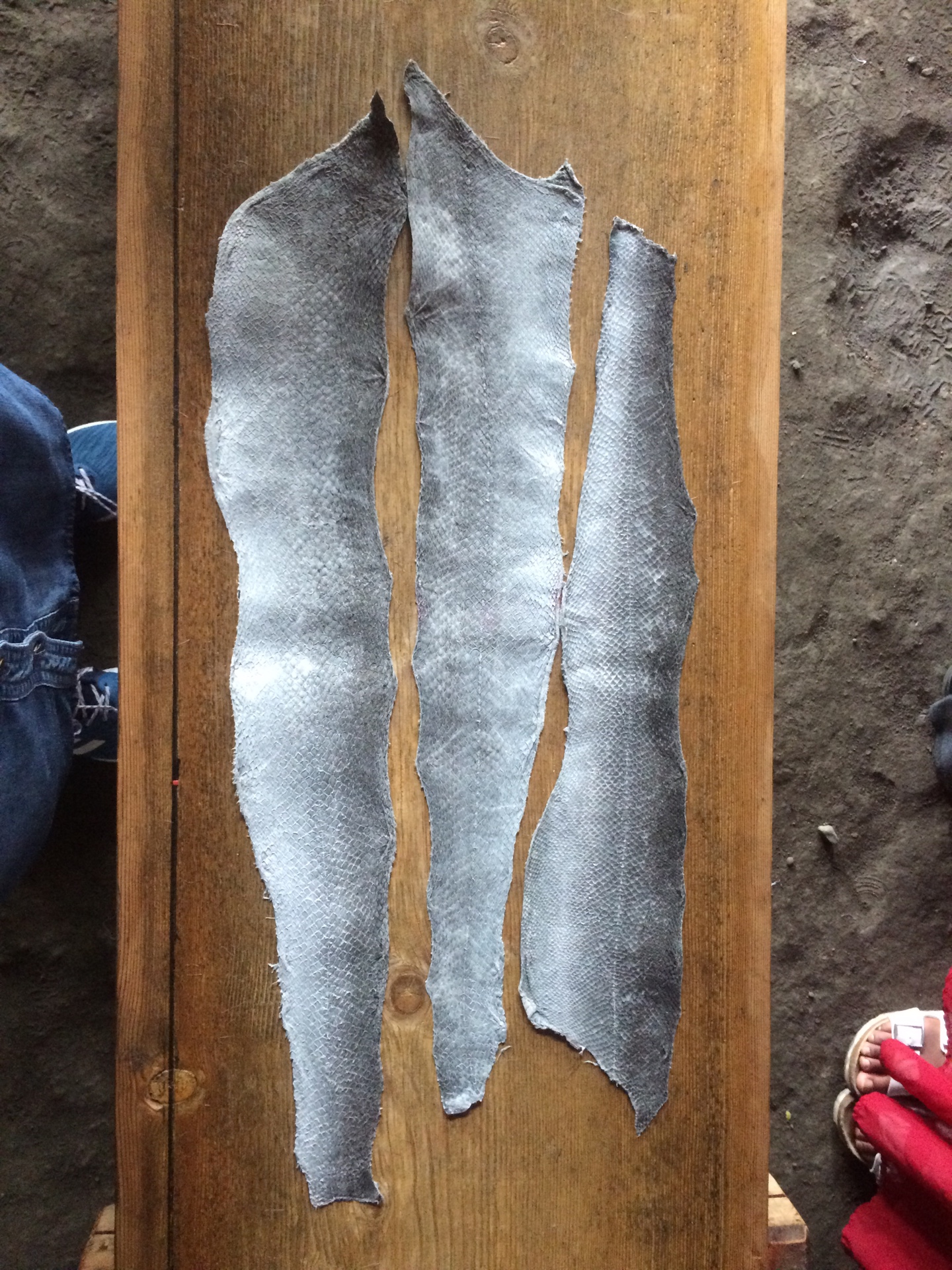
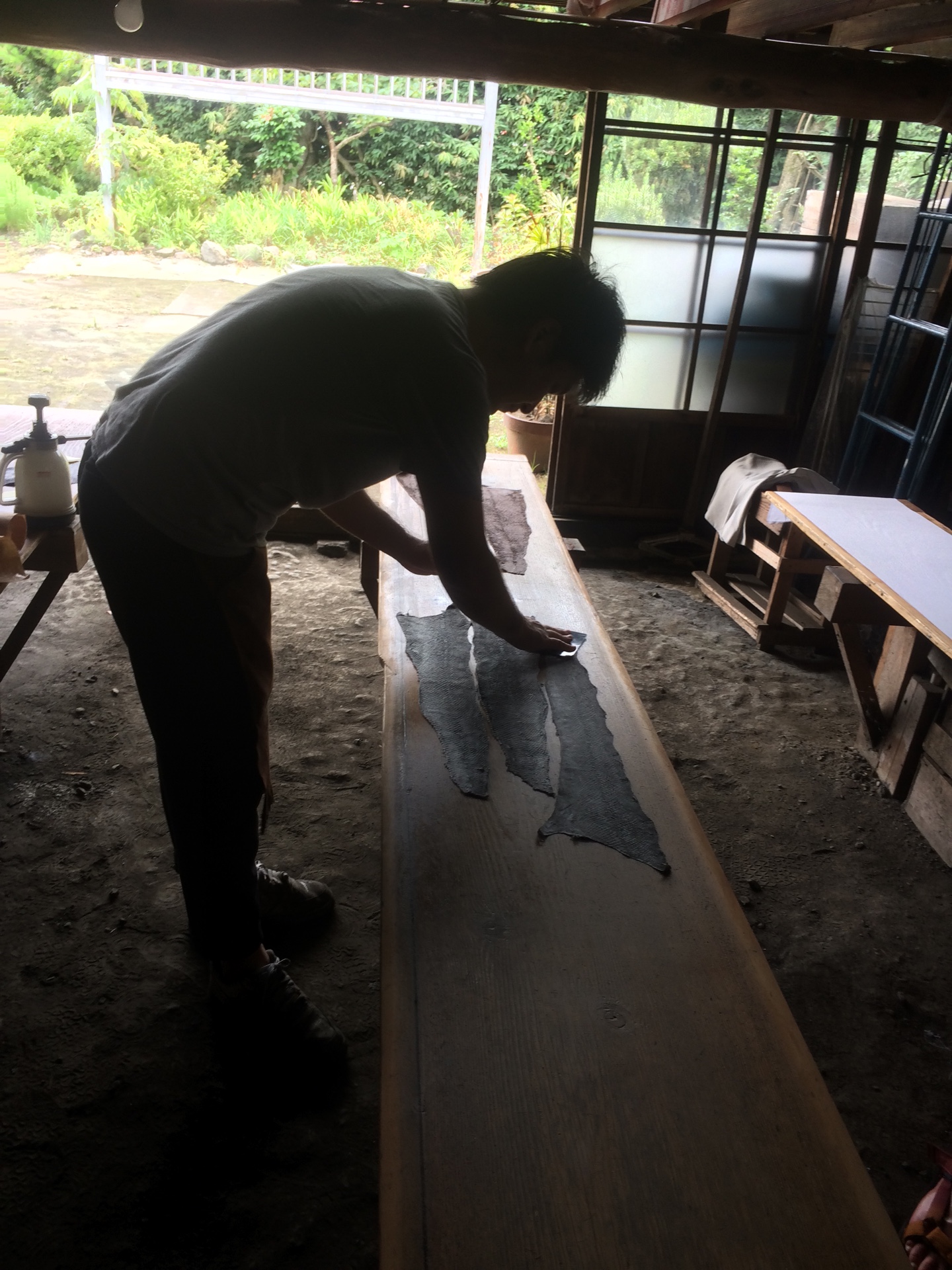
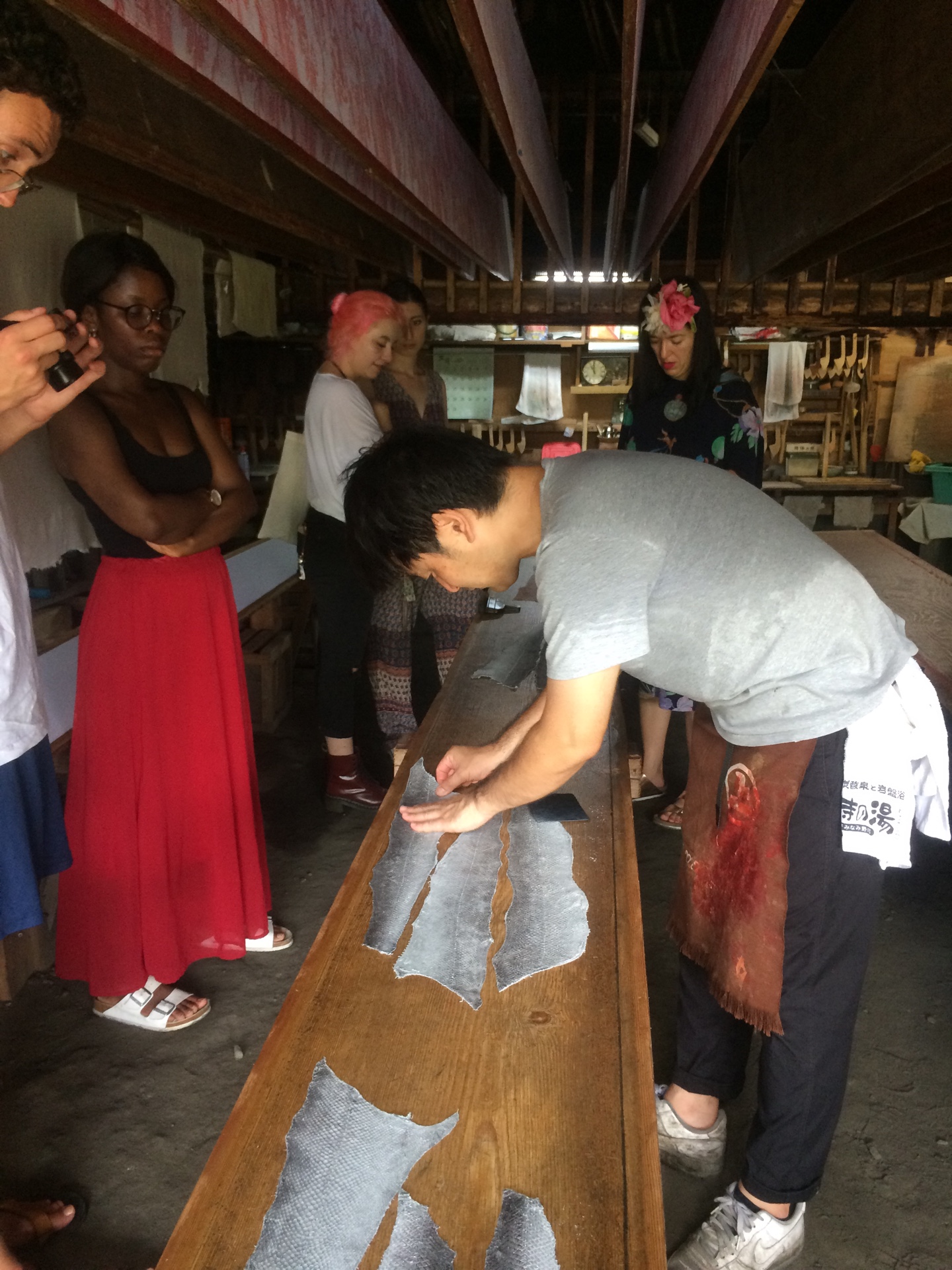
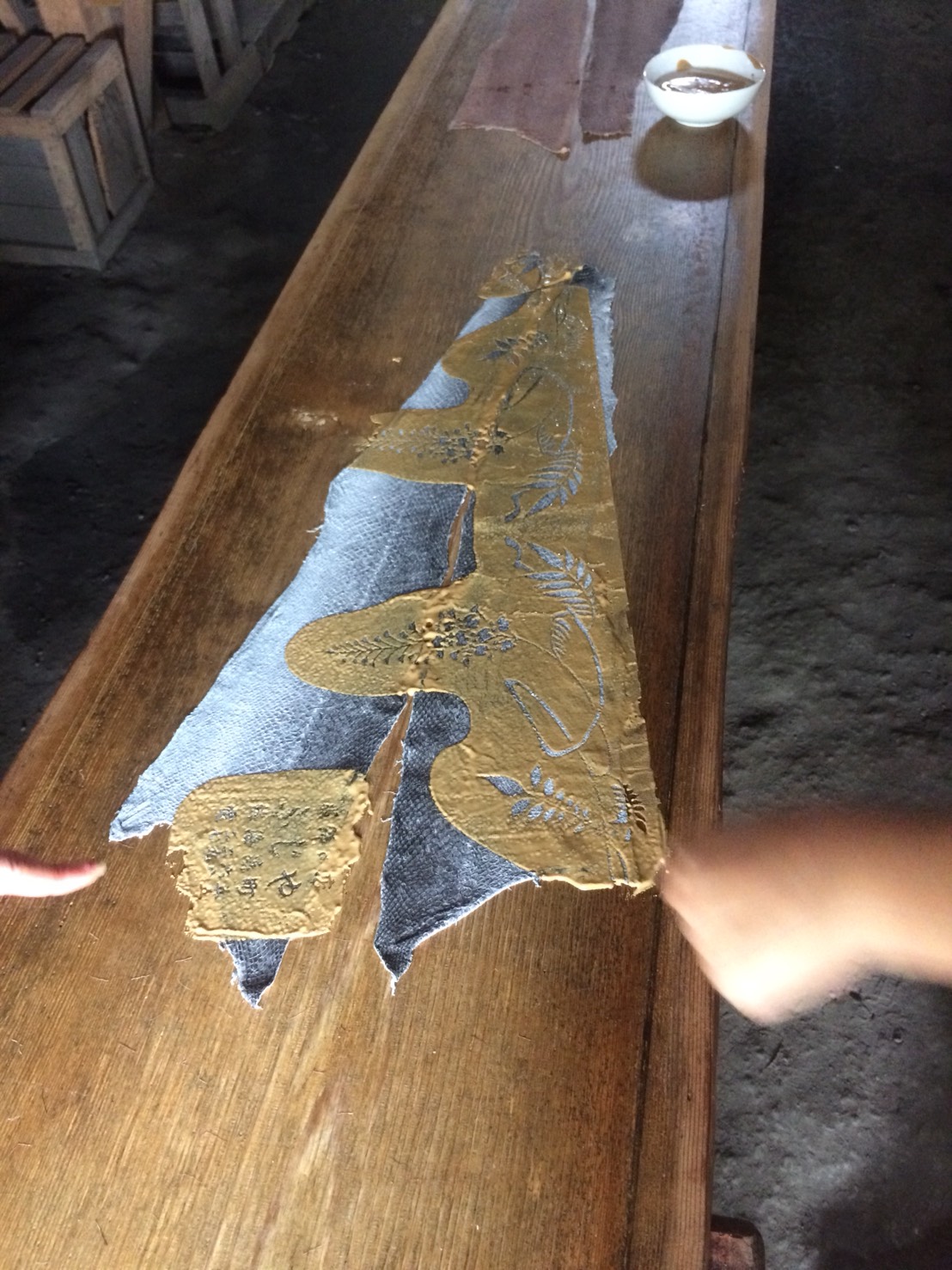
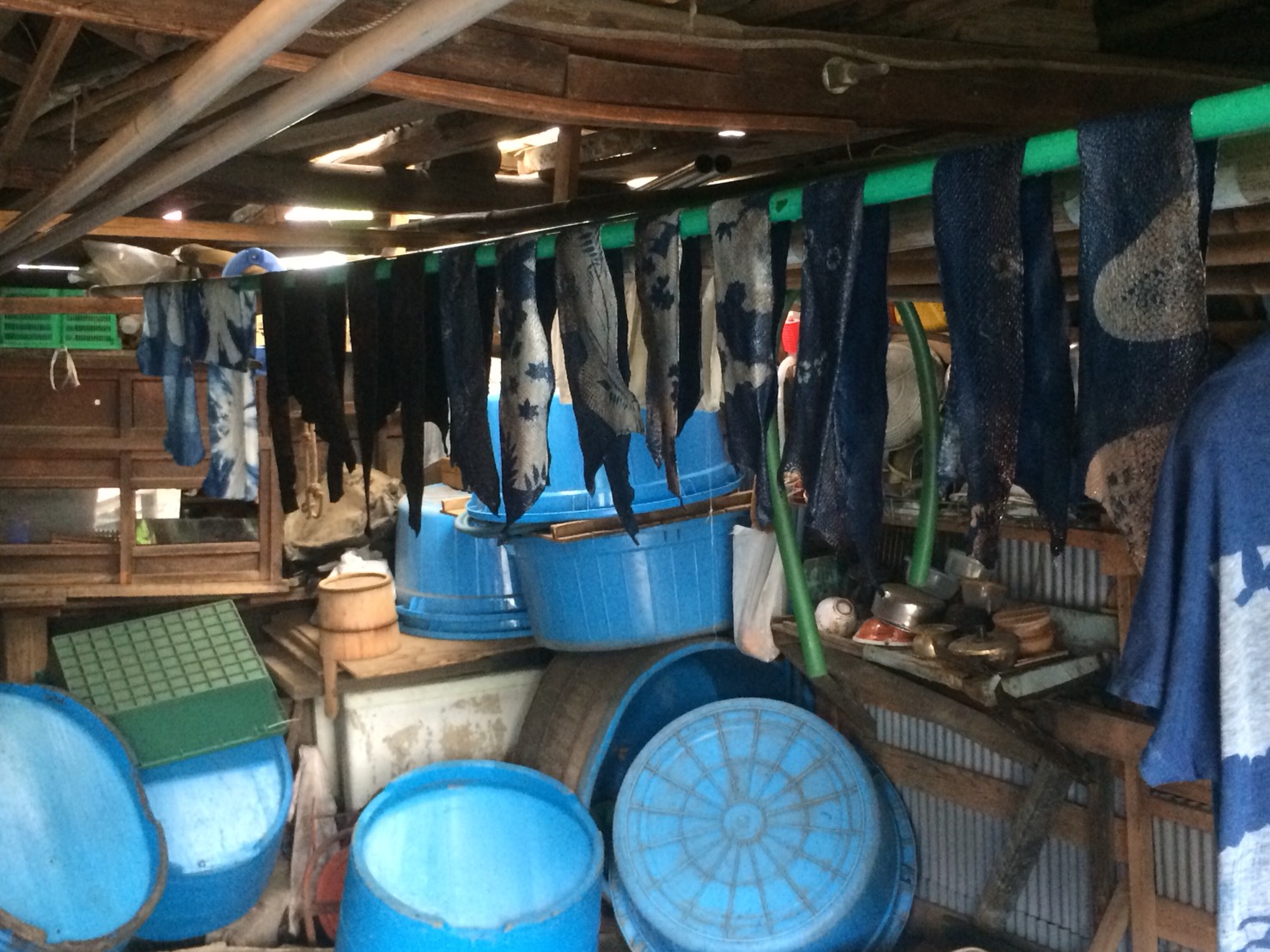
On July 6, 2018, we visited the atelier again together with designer and lecturer at Central St. Martins Elisa Palomino, who wanted to experiment with the dyeing of stencils on fish skin, as part of her research. Again, the first year students were invited to participate in the indigo dyeing at the atelier after witnessing Elisa’s fish skins dyeing process.
Some no Komichi
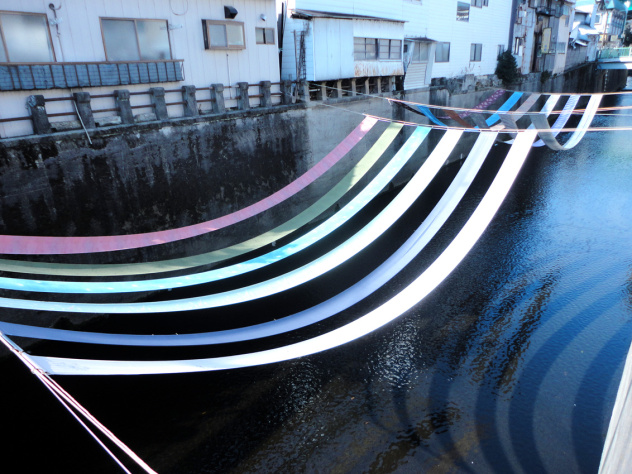
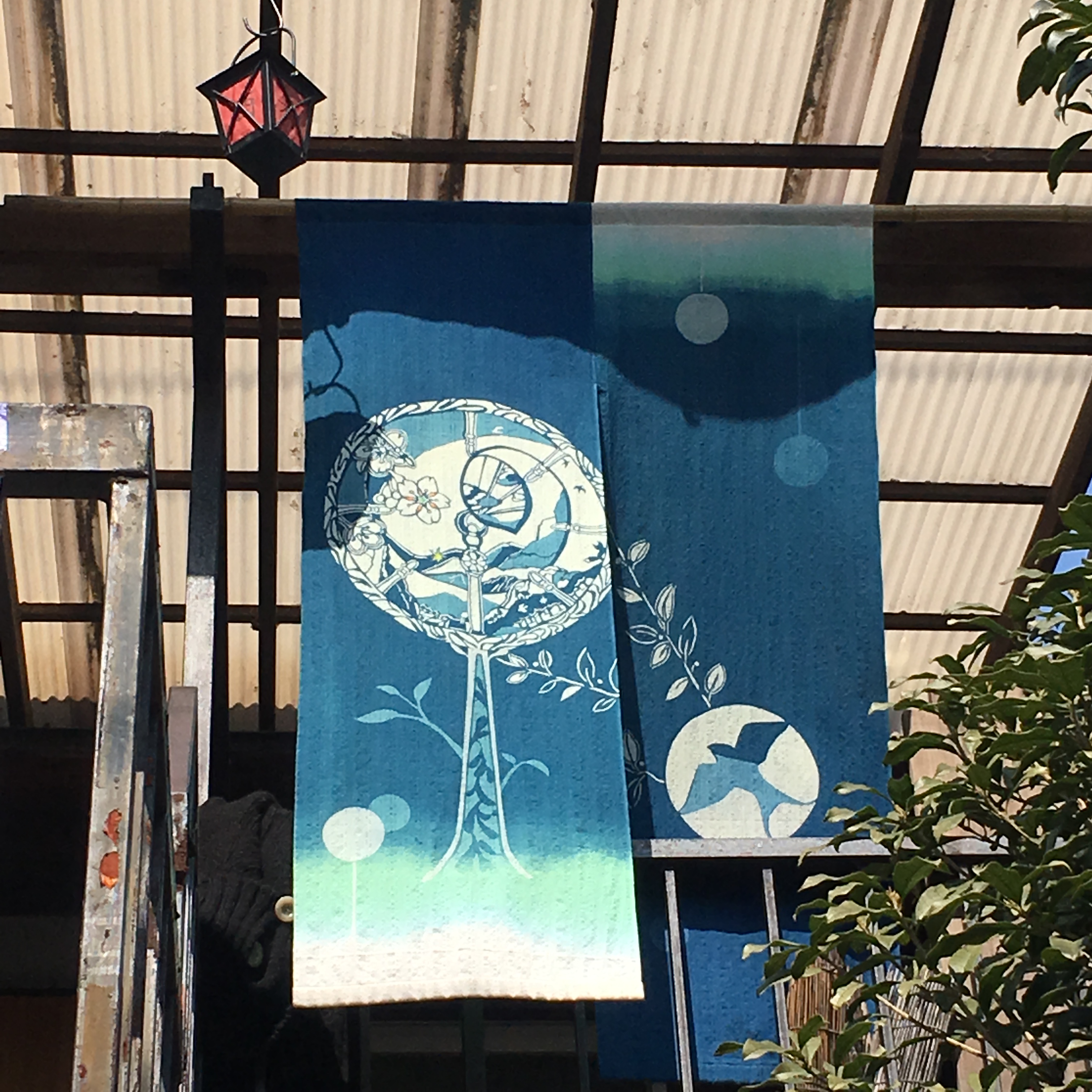
Some no Komichi is an annual event celebrating the dyeing and making of kimono. The event takes place in Tokyo’s Nakai district, an area with a longstanding history in kimono making, and is held usually around February (and sometimes in November too, as a smaller version of the February edition). During the event, the whole area becomes a gallery, and all the participating studios make noren textiles and display them on the street, so visitors can admire their works and their techniques. Sometimes there are English guided tours of the outdoor galleries and river gallery. Nakai is an area that is usually closed to people who don’t have an appointment, so the festival is a rare opportunity to see all the different textile dyeing and printing techniques.
The number of ateliers participating in the events is stunning, this map shows an overview of the participating ateliers in the 2018 February edition. There are studios in Nakai specializing in different techniques such as: Okinawan Bingata, Edo Komon, Tie-dye (Shibori-zome), Natural plant dyes (Kusaki-zome), Stencil dyeing (Kata-zome), and hand painting called Yuzen (Yuzen-zome).
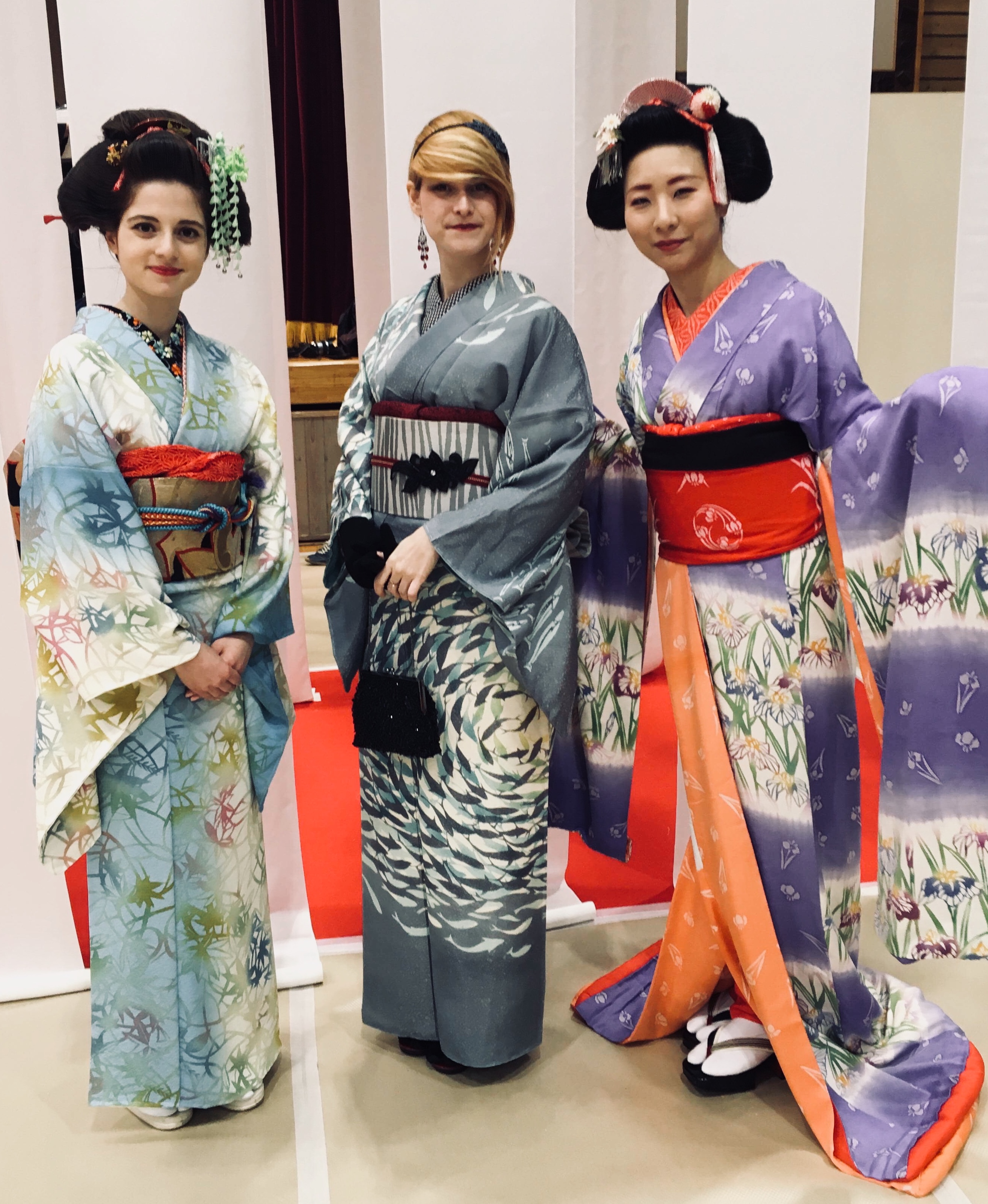
From 2016 to 2018, a kimono fashion show was organized, in which kimono designed by students and teachers at our university were shown by models recruited from within the university. The show presented a great opportunity to see kimono work made at our university up close, a rare occasion!
During the Transboundary Fashion Seminar 4.2 we visited Some no Komichi under the guidance of Sheila Cliffe, who has been a co-organizer of the event for many years.
If you are in town during the event, please don’t hesitate to visit and have a look at the wonderful heritage on display!
 bunkaglobalfashion.com